October 27, 2026
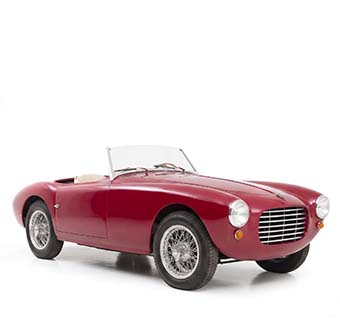
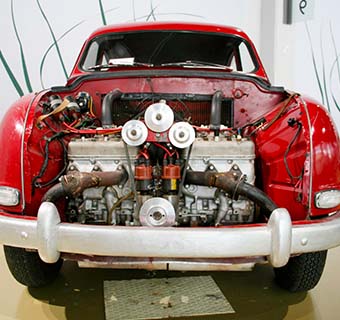
1952 Siata 300 BC - a rare, lightweight Italian sports car built between 1952 and 1954 by SIAT (Societa Italiano Auto Trasformazioni Accessori) - an aftermarket company that produced parts to “hot rod” Fiats, founded in 1926 by Giorgio Ambrosini - an aspiring racer driver. The 300 BC was a two-seat vehicle with various engine configurations from 750 cc Crosley four-cylinder engines to 1100 cc Fiat engines. Even with these tiny engines, the BC could achieve a maximum speeds of 100+ mph. The Siata 300 BC enjoyed a long racing history - from 1951 into the mid-sixties. These races were mainly in the United States, but some also in Europe. Famous races include Watkins Glen, Sebring 12h, Mille Miglia, and many others. Around 50 examples were built.
Siata 300 BC deep dive here.
Siata 300 BC deep dive here.
Previous week's cars


Keep me in this conversation via email
SUBSCRIBE
GET THE DAILY YCotD EMAIL
It's FREE
It's EASY
It's SAFE
Privacy Policy
Most popular this month
If you like today's YCotD you'll enjoy these too!